
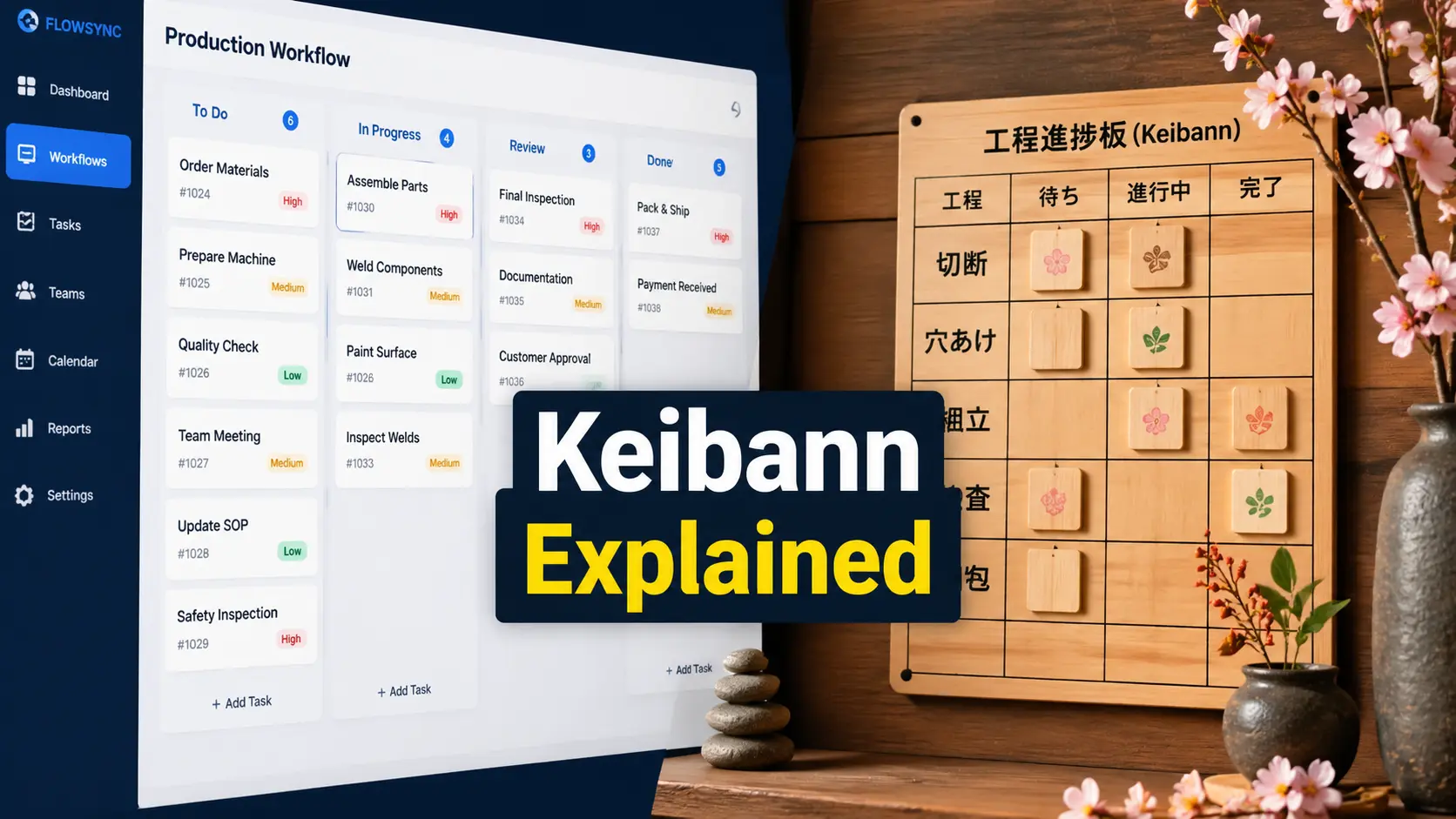
You’ve probably seen the word “keibann” pop up in conversations around productivity, workflow, or even Japanese culture — and walked away more confused than before. That’s fair. Keibann isn’t a term with one clean, locked-in definition. It’s a concept that wears different hats depending on the context, and that’s exactly what makes it worth understanding properly.
Whether you’re a small business owner trying to organize your team, a freelancer managing five client projects at once, or just someone curious about where this word comes from — this guide breaks it all down in plain language. No jargon, no fluff. Just what keibann actually is, how it works in the real world, and what you can take from it.
What Is Keibann, Exactly?
The word keibann has roots in Japanese. “Kei” carries meanings around lightness and order, while “ban” refers to a board or panel. Put together, it evokes the idea of a structured board — something organized and purposeful rather than random. That foundational image is where different interpretations of keibann begin.
In one common context, keibann refers to a visual workflow management system — a structured way of organizing tasks, tracking progress, and keeping teams aligned without endless meetings or overflowing inboxes. Think of it as a live, shared view of your work. Every task has a place. Every team member knows what’s theirs. Nothing falls through the cracks.
In another context — particularly in Japan’s automotive world — keibann refers to ultra-compact cargo vans classified under Japan’s kei-jidosha regulations. These vehicles are built around a 660cc engine, a boxy and space-efficient interior, and fuel economy that reaches 40 to 50 miles per gallon. They’ve become a growing trend globally among small business owners, farmers, and delivery operators who need practical, affordable transportation.
There’s also a cultural interpretation of keibann tied to Japanese artistry — from traditional wooden boards used in horse racing events during the Edo period, to decorative crafts involving flower arrangement and natural materials. In this sense, keibann is a practice of mindful, intentional creation.
The thread connecting all three is the same: structure, intention, and clarity.
Why Keibann as a Workflow System Actually Works
Here’s the honest problem with how most people manage work: they rely on memory, scattered notes, and the hope that nothing important slips. It works — until it doesn’t. The moment your workload grows beyond a handful of tasks, things start breaking down.
Keibann as a workflow approach fixes this by making work visible. Instead of keeping tasks in your head or buried in email chains, everything lives on a shared visual board. Tasks are grouped by status — what’s waiting, what’s in progress, what’s done. That simple shift changes how people experience their workload. It stops feeling like a guessing game and starts feeling manageable.
One of the most underrated benefits is how it naturally reduces meeting time. When your team can see the current state of every project at a glance, the question “what’s the status on this?” basically disappears. People arrive to conversations informed, not confused. And that recovered time adds up fast.
Keibann also works because it limits how much you take on at once. Rather than starting ten things simultaneously and finishing none of them, you focus on completing what’s in front of you before picking up something new. This isn’t just a productivity trick — it’s a mindset shift. Work becomes something you move through rather than something you’re buried under.
How Keibann Vans Changed Small Business Logistics
Shifting gears — literally — keibann vans deserve their own explanation because they’re gaining serious global attention, especially in the United States and Australia.
A keibann van fits Japan’s official kei vehicle classification, which means its engine can’t exceed 660cc, its length stays around 3.4 meters, and its width comes in under 1.48 meters. Those numbers sound limiting until you see the interior. The design philosophy pushes the wheels to the corners of the vehicle, creates a perfectly boxy cabin, and squeezes out a surprisingly usable cargo area. You get maximum space inside a minimum exterior footprint.
For small businesses, the math is compelling. Fuel costs drop significantly compared to full-size commercial vans. Maintenance is simpler because these vehicles have fewer complex electronics. Insurance typically runs cheaper. And in dense urban areas, parking stops being a daily headache. Models like the Suzuki Every, Honda Acty, and Daihatsu Hijet have built loyal followings among people who’ve discovered that bigger doesn’t always mean better.
The keibann van was born out of post-war necessity in Japan, where fuel was scarce and workers needed affordable ways to rebuild the country’s economy. That original design logic — do more with less — is exactly why these vehicles feel so relevant again today.
Keibann as a Japanese Cultural Practice
Beyond logistics and productivity, keibann carries genuine cultural weight in Japan. In its artistic form, keibann refers to the practice of arranging natural elements — typically flowers, branches, or seasonal plants — on a flat board or shallow tray with mindful intention.
This practice overlaps with ikebana, Japan’s traditional flower arranging art, but keibann tends to emphasize the board itself as the canvas. The goal isn’t just visual appeal. Practitioners describe the process as meditative — each placement a small act of attention, each finished arrangement a reflection of the season or occasion it represents.
Historically, keibann boards were used during horse racing events dating back to the Edo period. Artists would craft intricate designs on wooden boards that displayed horse names and owner details. Over time, these evolved into cultural artifacts valued for their craftsmanship and storytelling as much as their function.
Today, keibann pieces are passed down through generations in some Japanese families, treated as heirlooms rather than decorations. They appear in homes, offices, ceremonies, and festivals — quietly connecting the people who use them to a longer thread of tradition.
Common Mistakes People Make With Keibann
Whether you’re applying keibann to your workflow or exploring it as a cultural practice, there are a few patterns that tend to trip people up.
The most common mistake in the workflow context is treating keibann as a static to-do list rather than a living system. If you set up a board and never update it, it becomes useless quickly. The value comes from active, consistent use — moving tasks as they progress, adjusting priorities as things change, and reflecting on what the board is telling you.
Another mistake is overcomplicating the setup. Some teams add so many columns, categories, and labels that the board itself becomes harder to navigate than the problem it was meant to solve. Keibann works best when it stays simple. If a new team member can’t understand your board in under two minutes, it’s probably too complex.
For people exploring keibann vans, the mistake is often skipping research on legal import requirements. In the United States, imported vehicles must be at least 25 years old to bypass federal safety and emissions standards. That rule affects which model years you can legally drive, and overlooking it leads to expensive complications.
FAQs About Keibann
What does keibann mean in Japanese?
Keibann combines “kei” (light or ordered) and “ban” (board or panel), roughly translating to a structured or lightweight board. The meaning shifts depending on context — workflow system, compact van, or cultural art form.
Is keibann the same as kanban?
They’re related in concept but not identical. Kanban is a well-established Japanese production methodology used in manufacturing and software. Keibann draws on similar visual organization principles but is used more loosely across multiple domains.
Are keibann vans street-legal in the United States?
Yes, but with conditions. Imported keibann vans must be at least 25 years old to comply with federal exemptions. Always verify the specific model year and check your state’s rules before purchasing.
How do I start using keibann for personal productivity?
Start simple. Use a physical whiteboard or a free digital tool to create three columns: To Do, In Progress, and Done. Move tasks as you work. Limit yourself to two or three “in progress” items at a time and build from there.
Can keibann work for remote teams?
Absolutely. Digital keibann boards are especially well-suited to remote and distributed teams because they give everyone a shared, real-time view of project status regardless of location or time zone.
Final Thoughts
Keibann is one of those rare words that means something genuine across multiple worlds — whether you’re talking about managing a team’s workload, driving a fuel-efficient van through city streets, or placing seasonal flowers on a wooden tray with quiet intention.
What ties it all together is a philosophy of doing things with clarity and purpose. Not piling on more than you can handle. Not overcomplicating what’s meant to be simple. Letting structure serve you rather than overwhelm you.
If you’re exploring keibann as a workflow tool, start with the simplest version and let it grow with you. If you’re curious about the vans, do your homework on import rules and you might find the most practical vehicle you’ve ever owned. And if the cultural side calls to you, there’s something genuinely grounding about an art form that asks you to slow down and pay attention.
Keibann, in any form, rewards people who are willing to take it seriously — and that’s what makes it worth knowing about.