
Sports used to mean showing up, watching the game, and maybe catching highlights on the evening news. That version of sports fandom feels like a lifetime ago. Today, fans are consuming, creating, and debating content across a dozen platforms before the final whistle even blows. LatestSportsBuzz exploring the intersection of sports, media, and digital culture captures exactly what this shift looks like — and why it matters more than most people realize.
Whether you’re a casual fan, a content creator trying to build an audience, or a brand looking to reach sports-obsessed consumers, understanding this intersection isn’t optional anymore. It’s the difference between staying relevant and falling behind. Here’s what’s really happening, why it works the way it does, and what you can do with that knowledge.
What LatestSportsBuzz Exploring the Intersection Actually Means
At its core, LatestSportsBuzz exploring the intersection is about how sports content no longer lives in one place. It moves — between platforms, between formats, between communities — and the experience of being a sports fan now happens across all of these spaces simultaneously.
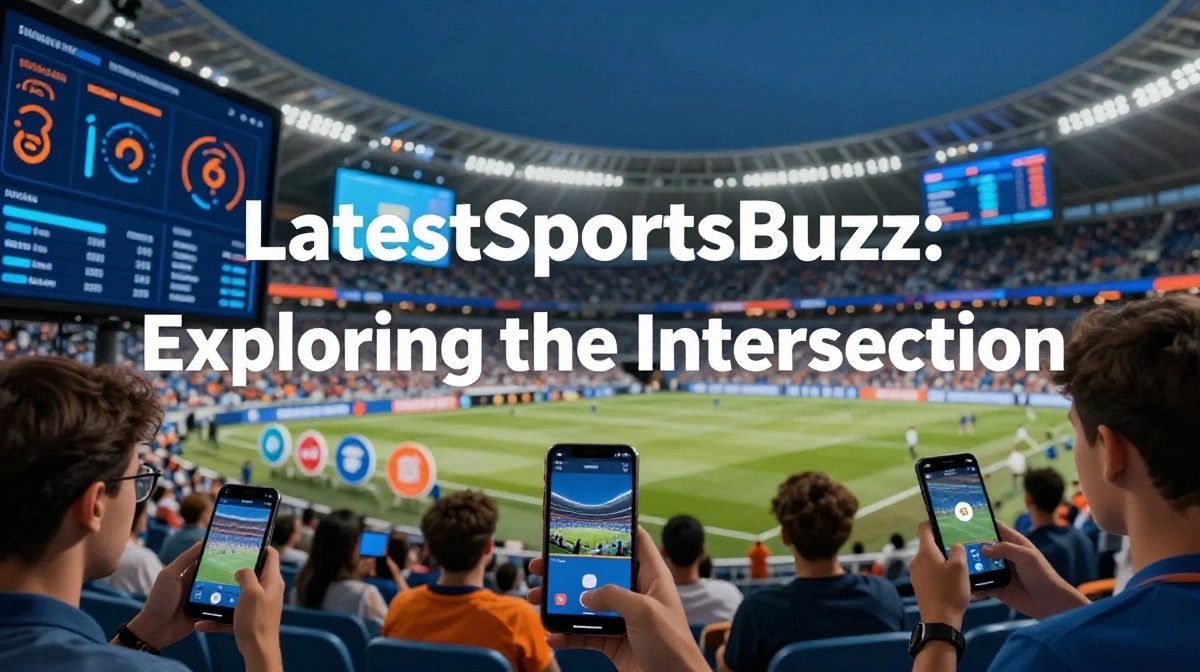
Think about what happens during a major match today. Someone watches the live broadcast while checking Twitter for fan reactions. Another person pulls up a stats app mid-game. A third is rewatching a controversial foul on YouTube before the half ends. None of these experiences exist in isolation. They feed into each other, shape opinions, and generate the kind of conversation that used to only happen on the couch with close friends.
This intersection is where traditional sports journalism meets real-time social commentary, data analytics, influencer culture, and fan-driven content. The boundary between “official” sports media and individual creators has practically disappeared. A well-researched breakdown video from a creator with no network backing can easily outperform a segment on a major sports channel — because authenticity and speed matter more than polish right now.
What makes this particularly interesting is how quickly it evolved. Streaming services entered the picture, social platforms built creator monetization tools, fantasy leagues turned casual viewers into obsessive stat-trackers, and sports organizations started building direct relationships with fans online. All of this happened within about a decade, and it’s still accelerating.
Why This Intersection Is Reshaping How Fans Experience Sports
Fans are not passive anymore, and that changes everything. When someone has an opinion about a referee’s call, they don’t wait to share it at work the next morning — they post it within seconds, tag the league’s account, and find out whether three thousand other people agree with them. This instant feedback loop has made sports fandom more emotional, more invested, and frankly more exhausting than ever before.
For brands, this shift is significant because it means sports audiences are engaged in ways that traditional advertising never achieved. A fan watching a match is also browsing, scrolling, reacting, and purchasing. The attention is fragmented but the emotional investment is extremely high — and emotionally invested audiences make decisions. Sports sponsorship used to mean a banner on a stadium wall. Now it means being part of the content ecosystem that fans actively seek out.
For content creators, the opportunity here is genuinely significant. Someone who posts sharp, consistent sports analysis on social platforms can grow an audience in months that would have taken years through traditional media. The platforms reward engagement, and sports content — because it’s tied to real events with real stakes — naturally generates engagement. Every game is a content opportunity. Every trade rumor is a conversation starter.
The data layer makes it even more powerful. Platforms can now track what kind of content fans engage with most, which moments from a match drove the most shares, and what topics are building momentum before mainstream media catches on. Creators and brands who understand this data have a real advantage.
How to Actually Participate in LatestSportsBuzz Exploring the Intersection
Most people who want to build something in this space make the mistake of trying to cover everything. They want to talk about football, basketball, cricket, tennis, and whatever else trended that week. The result is content that feels scattered and fails to build a loyal audience. The creators who actually grow pick a lane and go deep.
Choosing a specific sport or even a specific angle within a sport — tactical analysis, fantasy tips, player profiles, cultural commentary — gives the content a clear identity. Audiences follow creators who feel like experts, not generalists. Once the niche is clear, consistency becomes the next job. Showing up regularly matters more than any single viral post. A creator who publishes thoughtful content three times a week will outperform someone who goes viral once and then disappears.
Distribution across multiple platforms is equally important. Different platforms attract different audiences and reward different formats. Short-form video works extremely well for reaction content and highlight breakdowns. Long-form articles or newsletters work for detailed analysis. Social media posts work for real-time takes and community building. Using all of these — even with the same core content reformatted — dramatically increases reach.
The other piece that gets overlooked is genuine audience engagement. Responding to comments, asking questions, creating polls, and acknowledging fan opinions builds community far faster than just broadcasting content. The algorithm rewards interaction, but more importantly, real relationships with an audience create loyalty that outlasts any algorithm change.
Common Mistakes That Kill Growth in This Space
Copying what’s already working is one of the most common traps. When a particular style of content gets popular — say, a specific format of post-match breakdown — dozens of creators immediately imitate it. The original still wins because it was first and authentic. Imitations just add noise. The creators who build lasting audiences bring a genuine perspective that no one else can replicate.
Ignoring SEO is another costly mistake. Great sports content that nobody can find is essentially useless. Using relevant search terms naturally throughout articles and video descriptions, creating content around questions that fans actually search for, and optimizing titles for both readers and search engines — all of this determines whether content reaches an audience or disappears.
Chasing virality over value is a trap that burns a lot of creators out quickly. Viral moments happen, but they can’t be manufactured on demand. What can be built consistently is genuinely useful content — analysis that fans learn something from, context that makes a story clearer, perspectives that spark real conversation. That kind of content builds an audience that stays.
What Separates Good Sports Content from Content That Actually Grows an Audience
The difference usually comes down to storytelling. Stats are available everywhere. Game summaries are published within minutes of the final whistle. What’s harder to find — and therefore more valuable — is context. Why did a team’s performance collapse in the second half? What does a specific transfer actually mean for next season’s strategy? What’s the cultural story behind a player’s rise?
Content that answers those questions earns attention because it gives fans something they couldn’t get from a box score. It respects the audience’s intelligence while also being accessible to someone who isn’t a professional analyst. That balance — informed but not condescending, specific but not overly technical — is what makes sports content genuinely enjoyable to consume.
Mobile optimization matters more than most creators acknowledge. Over 70% of sports content is consumed on phones, often during commutes or half-time breaks. Content that’s hard to read on a small screen, loads slowly, or requires too much scrolling loses the audience before it has a chance. Shorter paragraphs, clear headings, and fast-loading pages aren’t just nice to have — they’re essential.
FAQs
What is LatestSportsBuzz exploring the intersection about?
It refers to the space where sports content, digital platforms, technology, and fan culture overlap. It captures how modern sports fandom works across multiple channels simultaneously — combining real-time data, social commentary, and creator content into one interconnected experience.
Who benefits most from this intersection?
Fans get richer, more interactive experiences. Content creators gain new monetization opportunities. Brands can reach highly engaged audiences. Sports organizations can build direct relationships with their communities outside of traditional broadcast deals.
Do I need a large audience to participate?
No. Many creators have built substantial followings starting from zero by focusing on a specific niche, showing up consistently, and genuinely engaging with their early audience. The platforms themselves reward consistent quality over follower count.
How important is data in this space?
Very important. Analytics tools help creators understand what content resonates, which topics are trending before they peak, and how different audience segments behave. Creators who use data to inform their decisions consistently outperform those who rely on instinct alone.
Can brands with small budgets succeed here?
Absolutely. Partnering with mid-sized creators who have loyal, engaged audiences often delivers better results than expensive sponsorships with massive accounts. Authentic integration into sports content outperforms traditional ads in this environment.
What platforms work best for sports content?
It depends on the format. Short video performs well on TikTok and Instagram Reels. YouTube works for longer analysis. Twitter and Reddit are strong for real-time conversation and community building. Running content across at least two or three platforms is generally more effective than focusing on one.
Is this intersection still growing?
Yes. New technologies like AI-generated highlights, augmented reality fan experiences, and deeper fantasy sports integration are continuing to expand what’s possible. Creators and brands who get in now will have a significant advantage as the space matures.
Final Thoughts
LatestSportsBuzz exploring the intersection is not just a trend — it’s the new normal for sports fandom, content creation, and sports marketing. The convergence of technology, real-time data, and shifting audience behavior has fundamentally changed what it means to follow a sport, cover a sport, or build a business around sports.
The creators and brands succeeding in this space share a few common traits. They pick a clear niche and stick with it. They show up consistently rather than waiting for the perfect moment. They engage genuinely with their audiences instead of broadcasting at them. And they pay attention to what the data is telling them, adjusting without losing their original voice.
Getting involved now — whether as a fan wanting deeper engagement, a creator building a platform, or a brand looking to connect with passionate audiences — is still early enough to establish real presence. The intersection only gets more crowded over time, but it also keeps getting bigger. There’s room here for smart, consistent, value-driven participation. The question is whether you’ll take it.